
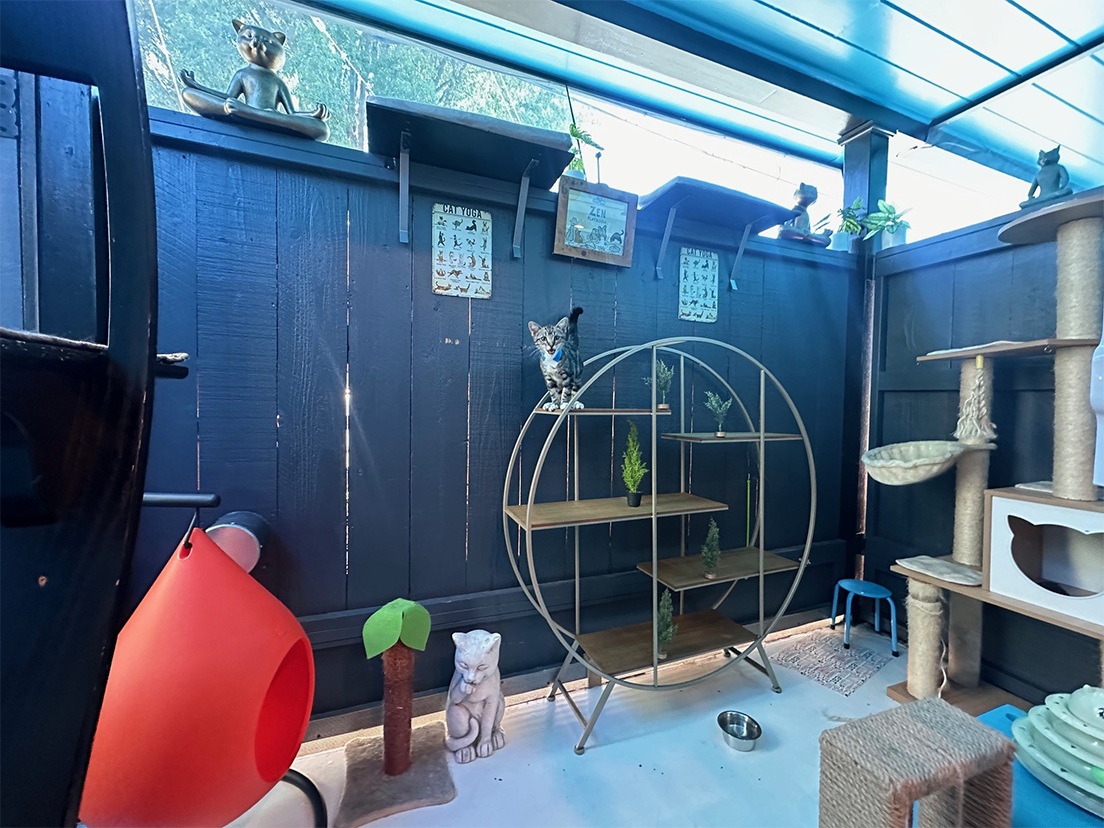
Cat Boarding vs Pet Sitting: Choosing the Best Cat Care Service for Your Needs
Choosing between cat boarding and in-home pet sitting is not always simple. Both options can work well, but they solve different problems.
The real question is not whether cats always prefer home or always prefer boarding. That is too broad. The better question is: which option gives this specific cat the safest, calmest, and most consistent care while the owner is away?
Many owners assume cats are automatically less stressed at home. Sometimes that is true. But after caring for thousands of cats, experienced feline boarding professionals know the reality is more nuanced. Some cats do extremely well in a professionally managed cat only boarding environment because they receive structure, supervision, enrichment, medication support, and trained observation.
This guide compares cat boarding and pet sitting through the lens of feline behavior, safety, stress reduction, and real world care needs.
What Are the Main Differences Between Boarding and In Home Sitting?
The main difference is the care environment.
Cat boarding places your cat in a professional facility where trained caregivers provide daily care, feeding, litter maintenance, enrichment, medication administration when needed, and regular monitoring.
In-home pet sitting keeps your cat in its familiar home environment while a caregiver visits to provide food, water, litter care, medication, and companionship.
Both options can be excellent. The best choice depends on the cat’s personality, age, medical needs, stress response, owner travel length, and the level of supervision required.
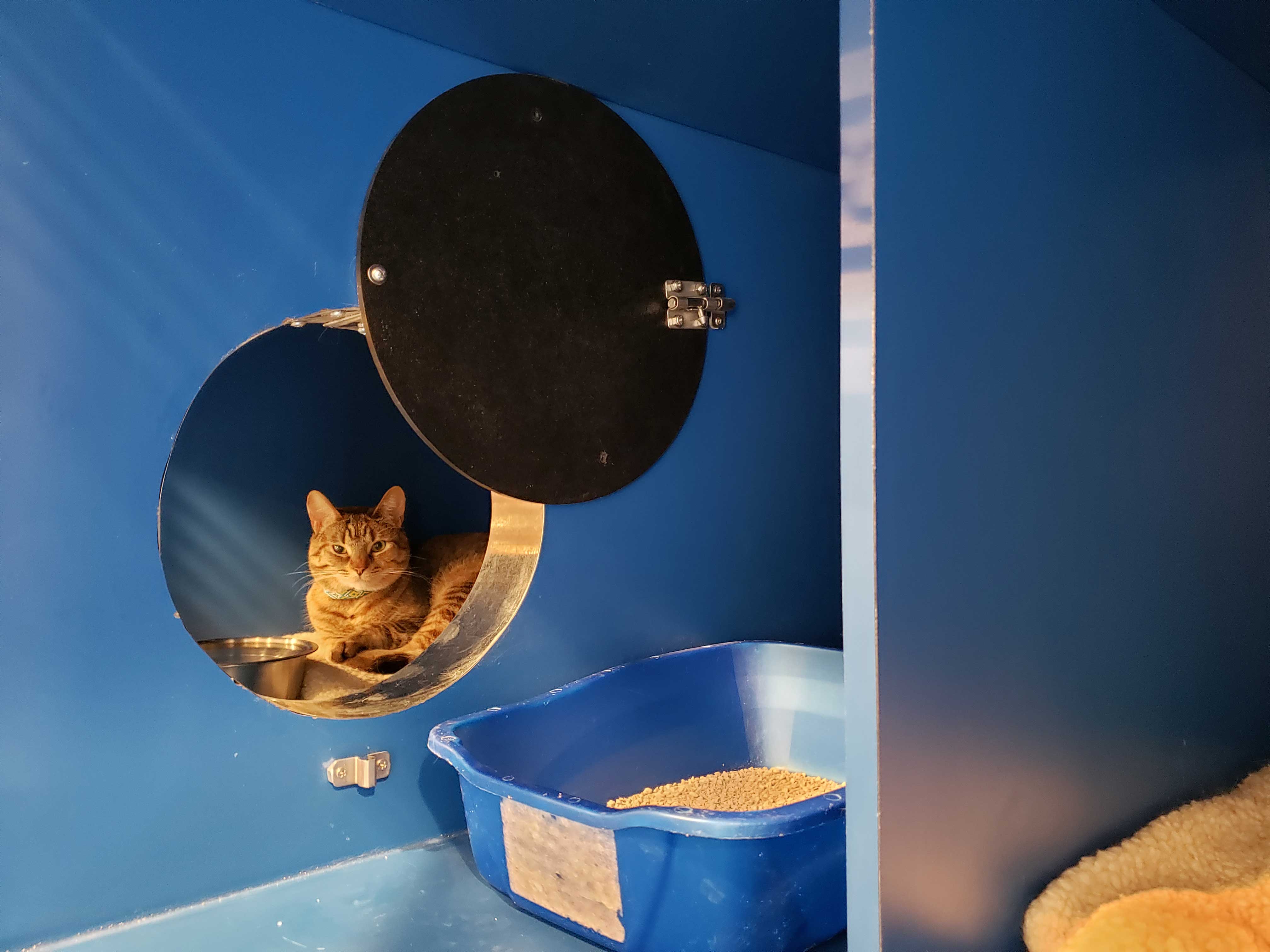
How Does Cat Boarding Provide a Structured Environment?
Professional cat boarding provides consistency. Cats are cared for inside a facility designed to support routine, safety, and observation.
A strong cat boarding environment may include:
- secure accommodations
- cat only surroundings
- predictable feeding times
- clean litter maintenance
- daily appetite checks
- medication administration
- quiet resting spaces
- enrichment and play options
- trained staff familiar with feline behavior
- emergency procedures
For many cats, this structure is valuable. It means someone is regularly observing behavior, appetite, litter box habits, and comfort. This can be especially important for cats with medication needs, senior cats, cats on special diets, or cats who should not be left alone for long periods.
What Are the Benefits of In Home Pet Sitting?
In-home pet sitting can be a good option for cats who are deeply attached to their home environment or who become extremely distressed by travel.
Benefits may include:
- familiar smells and surroundings
- reduced transportation stress
- maintenance of home routines
- one on one care during visits
- support for multi cat households
- less disruption for cats who do not need close supervision
In-home sitting works best when the cat is stable, healthy, and comfortable being alone between visits. It also depends heavily on the reliability and experience of the sitter.
Which Option Is Better for Reducing Stress?
Stress reduction depends on the individual cat and the quality of care.
Some cats are calmer at home because the environment is familiar. Others become more comfortable in a quiet cat only boarding facility because they are supervised, cared for consistently, and given a predictable routine.
A common misconception is that boarding itself is the problem. In reality, poor boarding environments are the problem. A properly designed feline boarding facility can reduce stress through quiet spaces, dog free accommodations, trained caregivers, familiar scent items, and patient adjustment routines.
For anxious cats, the best option depends on the type of anxiety. A cat who fears car rides may do better at home. A cat who needs medication, close monitoring, or consistent interaction may be safer in boarding.
How Do Cats Adjust During Boarding?
Most cats need an adjustment period. The first 24 to 72 hours are especially important.
During this period, trained caregivers watch for:
- appetite changes
- litter box use
- hiding behavior
- vocalization
- grooming changes
- willingness to explore
- response to gentle interaction
- signs of stress or illness
A shy cat may stay hidden at first, then slowly begin eating, observing, and interacting. A social cat may settle quickly. A senior cat may need more time and a quieter routine.
Good feline caregivers do not rush cats. They understand that confidence often builds through predictability.
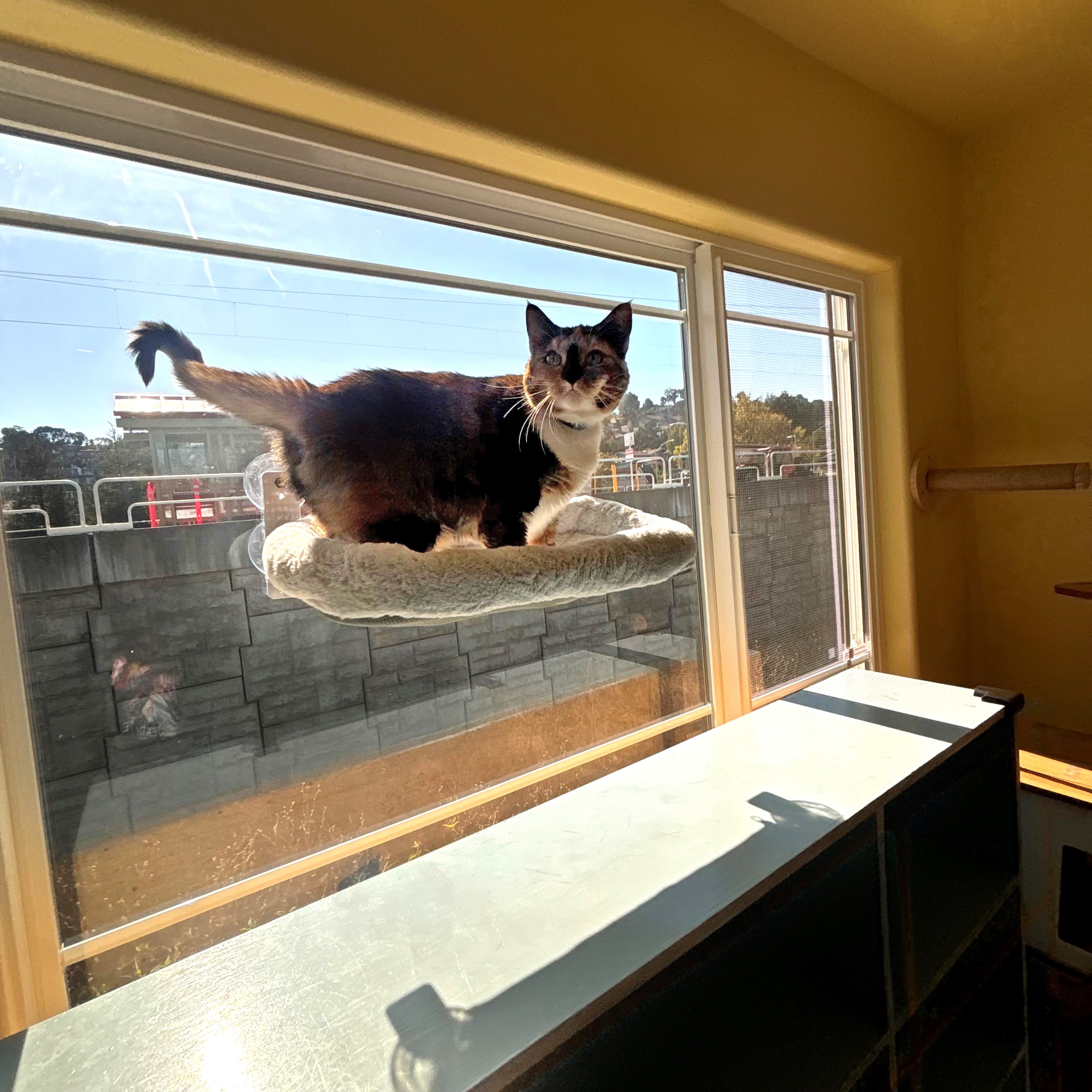
How Do Boarding Facilities Support Cat Safety?
Professional boarding facilities support safety through systems. These may include:
- vaccination requirements
- secure accommodations
- sanitation protocols
- daily monitoring
- emergency contacts
- veterinary response plans
- medication administration
- staff trained in feline handling
Safety is also environmental. Quiet cat boarding environments, good ventilation, clean air, temperature control, and low odor help cats feel more secure.
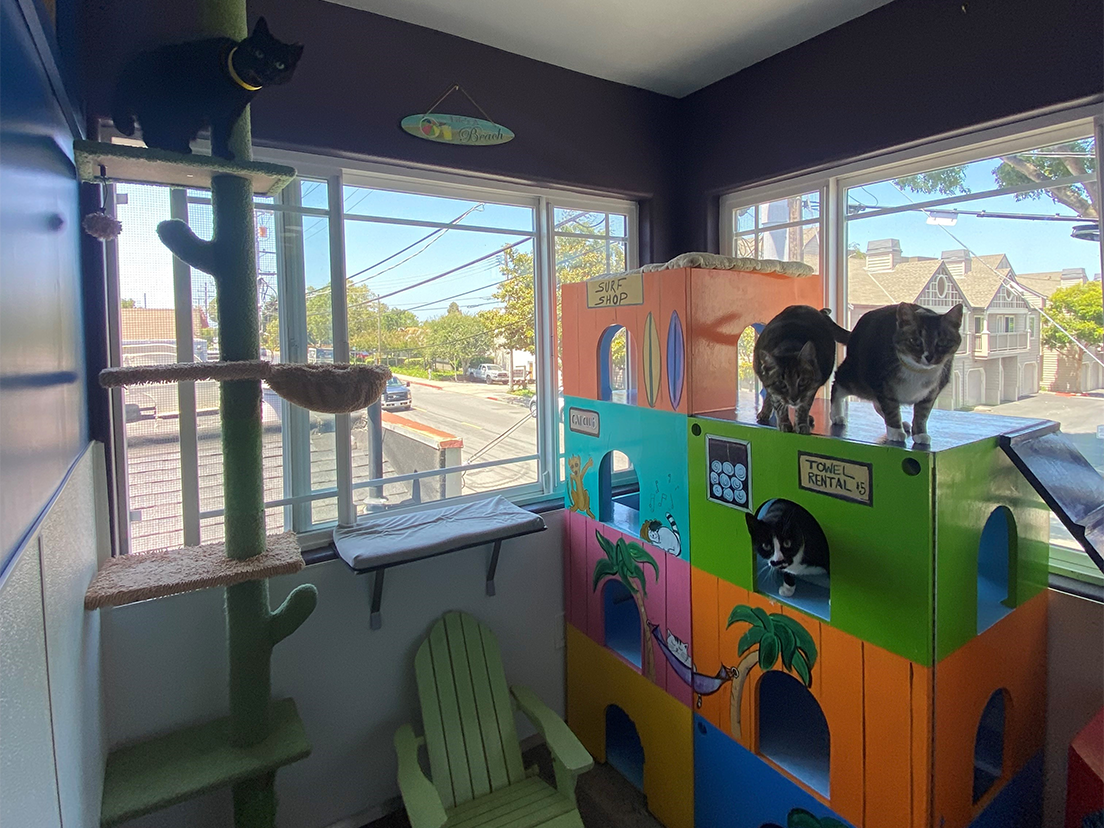
Why Choose a Cat Only Boarding Facility?
Cat only boarding is designed specifically for feline comfort. This matters because cats are highly sensitive to sounds and smells from other animals.
Benefits of cat only boarding include:
- no barking dogs nearby
- quieter routines
- feline specific accommodations
- caregivers trained in cat behavior
- enrichment designed for cats
- less overstimulation
- calmer adjustment for many feline guests
This is why cat only boarding differs scientifically and behaviorally from traditional pet boarding. It is not just a marketing term. It reflects a different understanding of how cats experience the world.
How Are Special Needs Cats Supported?
Both boarding and in-home sitting may be able to support special needs cats, but professional boarding often provides more structured observation.
Special needs may include:
- medication administration
- senior cat monitoring
- special feeding schedules
- dietary restrictions
- bonded cats boarding together
- anxiety support
- long term cat boarding
- mobility changes
- medical history requiring closer attention
For these cats, the decision should be based on care complexity. If the cat needs frequent observation, medication, or close monitoring, professional boarding may provide stronger support.
How Does Long Term Boarding Compare to Pet Sitting?
Longer absences change the decision. A weekend trip and a multi week trip are not the same care scenario.
For long term cat boarding, professional facilities can provide consistent routines, enrichment, grooming support, staff familiarity, and ongoing monitoring. Cats staying longer term often benefit from predictable caregivers and environmental stability.
For the long term in home sitting, owners should consider how many visits are needed, whether the cat becomes lonely, whether medical changes might be missed, and whether the home environment remains safe over time.
Long term care requires more than food and litter. It requires pattern recognition.
What About Costs and Booking?
Pricing varies based on length of stay, accommodation type, medication needs, grooming, enrichment, and number of cats.
Boarding costs may vary based on:
- stay length
- room type
- medication administration
- long term care needs
- grooming services
- bonded cat accommodations
In home sitting costs may vary based on:
- number of daily visits
- travel distance
- complexity of care
- medication needs
- number of cats
Book early during holidays, summer travel, school breaks, and peak travel seasons. Owners looking for cat boarding near airports should also plan ahead because availability may fill quickly.
How Can You Prepare Your Cat?
For boarding, bring familiar items, provide feeding instructions, share medication details, and explain behavior patterns. For in-home sitting, leave clear instructions, emergency contacts, food locations, litter supplies, and medical notes.
The more complete the information, the better the care.
Frequently Asked Questions
Which option is best for anxious cats?
It depends on the cat. Some anxious cats do best at home. Others adjust well to quiet cat only boarding when given time, privacy, familiar scent items, and trained care.
Can boarding facilities administer medication?
Many professional cat boarding facilities offer medication administration when instructions are provided in advance.
Is boarding safe for senior cats?
Yes, many senior cats board comfortably when facilities provide quiet accommodations, predictable routines, medication support, and closer monitoring.
Can bonded cats board together?
Many facilities allow bonded cats to stay together, which may help them feel more secure.
Can owners use both boarding and in-home sitting?
Yes. Many owners use both services depending on trip length, care complexity, season, or their cat’s changing needs.
Conclusion
Cat boarding and in-home sitting both have a place in professional cat care. The right choice depends on the cat, the owner’s schedule, the length of time away, and the level of care required.
The key is not to assume that staying home is always lower stress or that boarding is automatically better. The key is choosing the environment where your cat will receive the safest, calmest, and most attentive care.
For many cats, a quiet cat only boarding facility offers the ideal combination of supervision, enrichment, structure, and trained feline observation. For others, sitting at home may be the right fit. A trusted provider like The Cats’ Inn can help owners choose based on real feline care experience, not generic pet care assumptions.